BLUEMARINE prizren
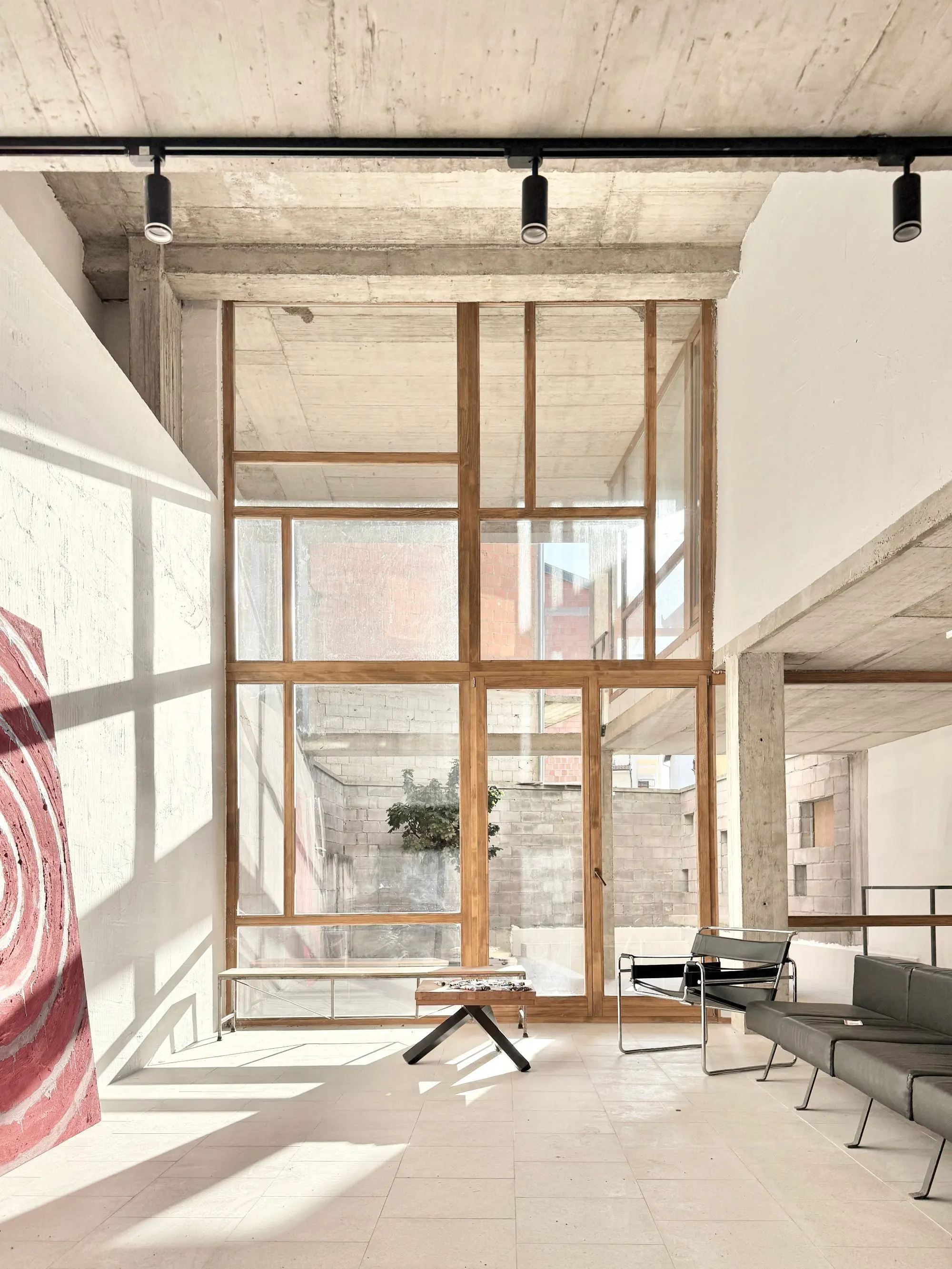
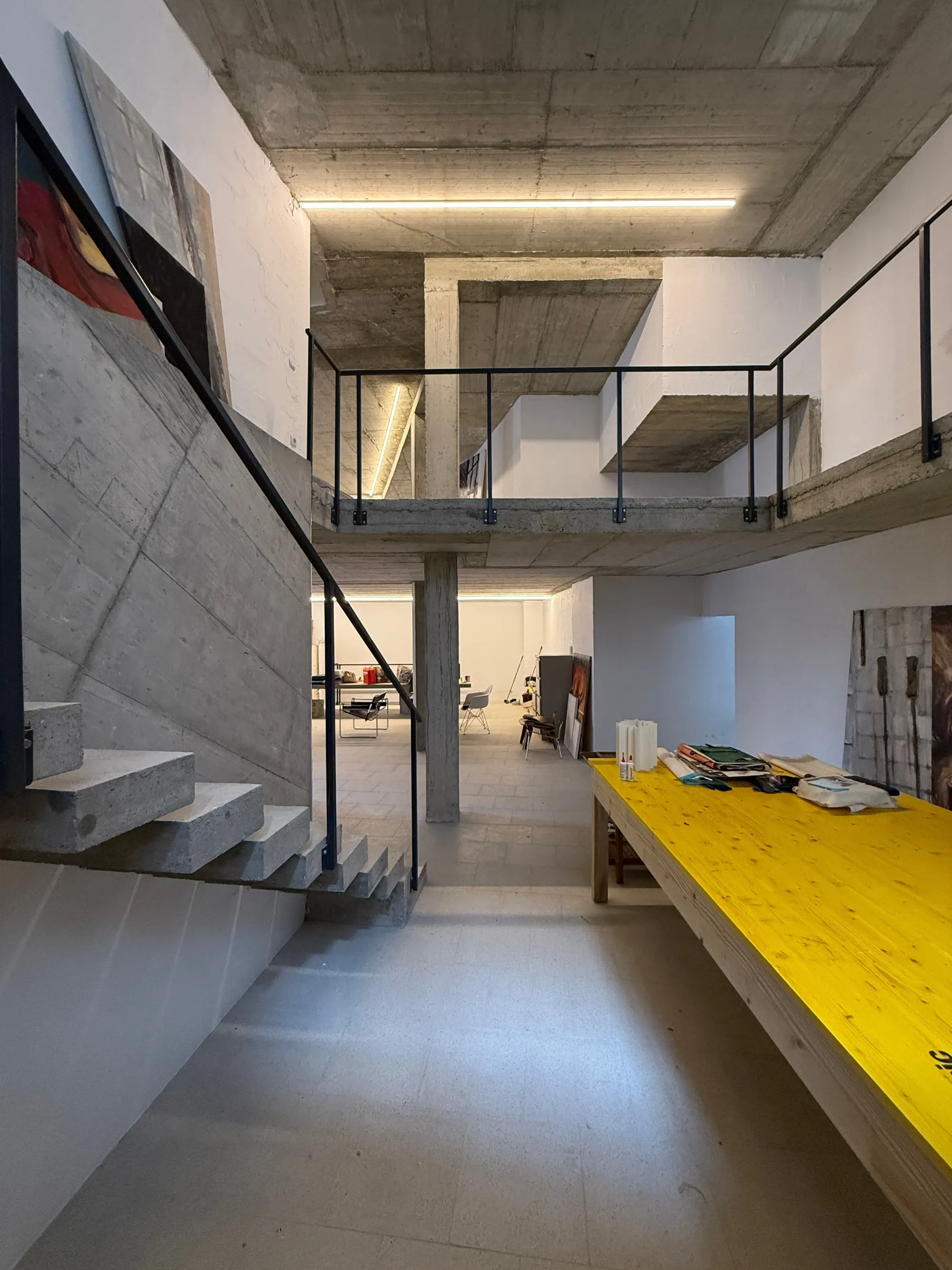
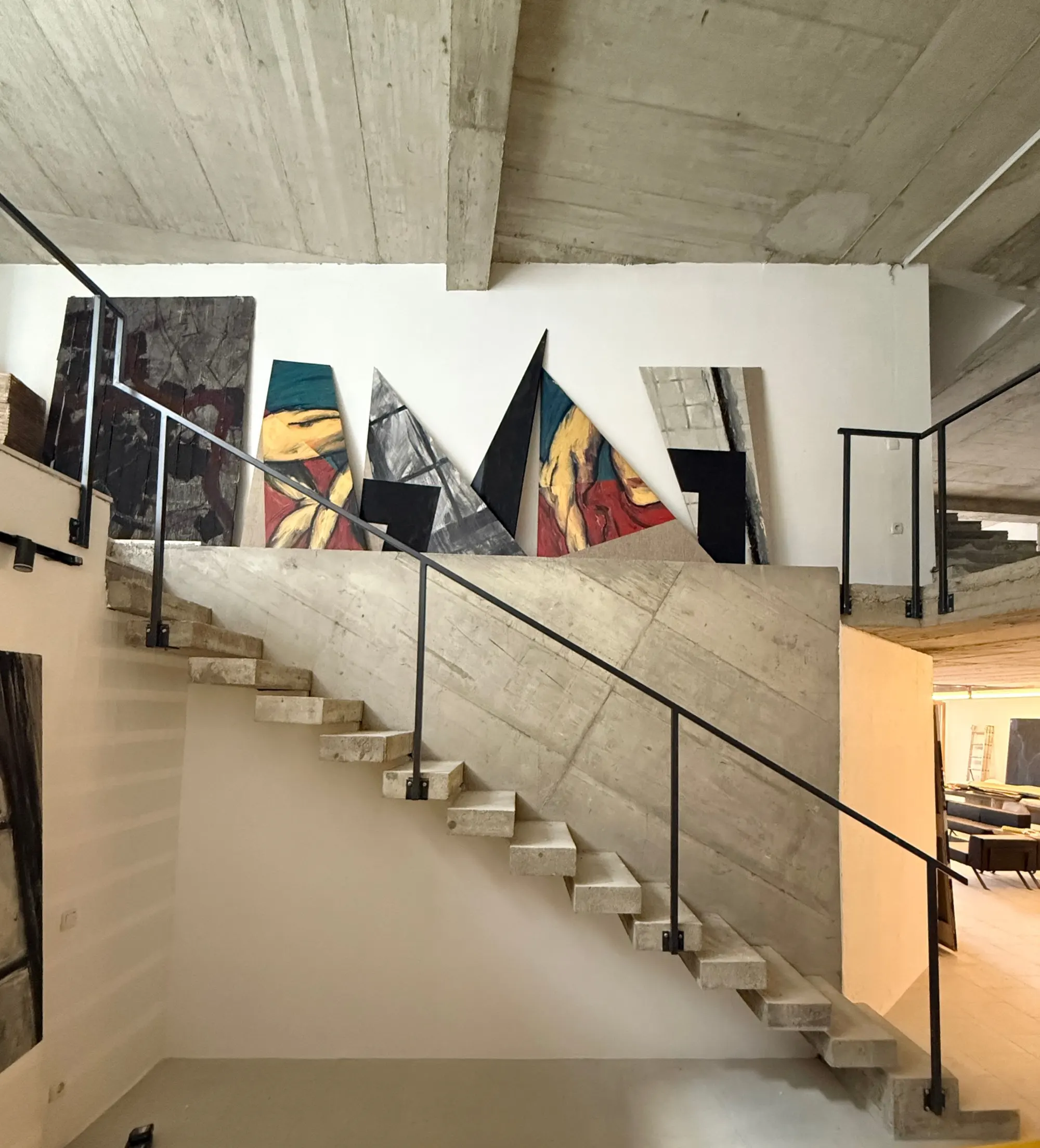
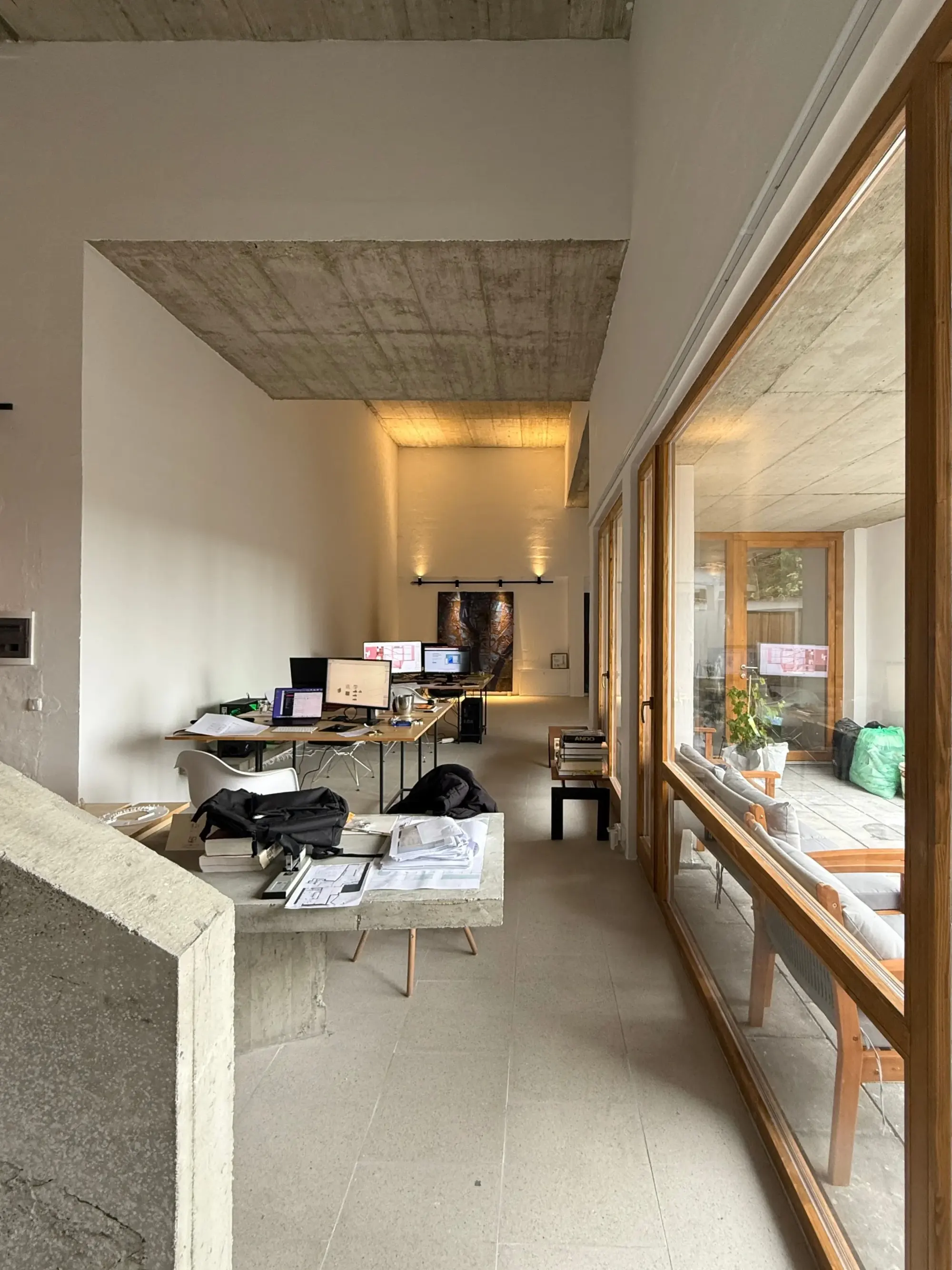
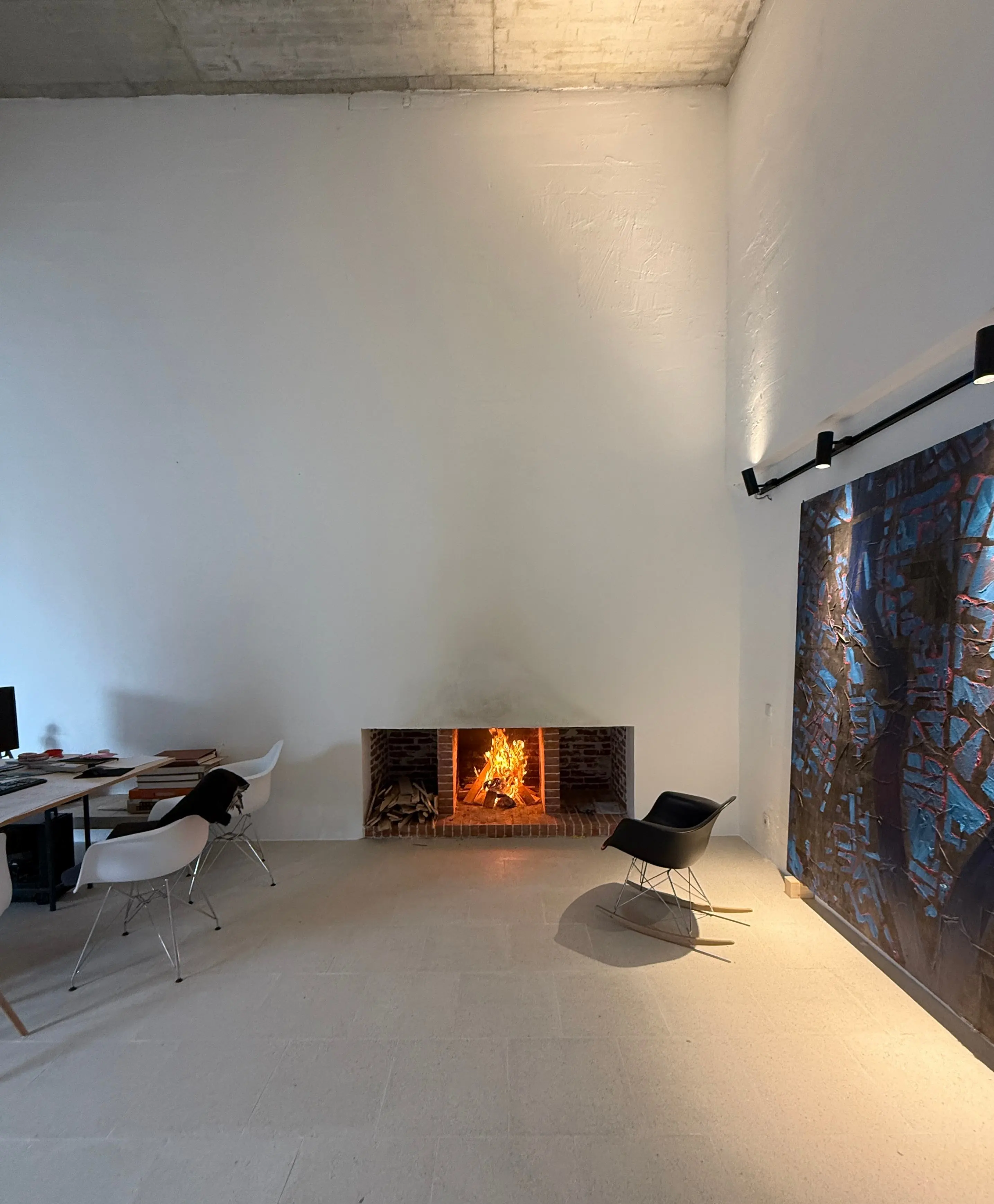
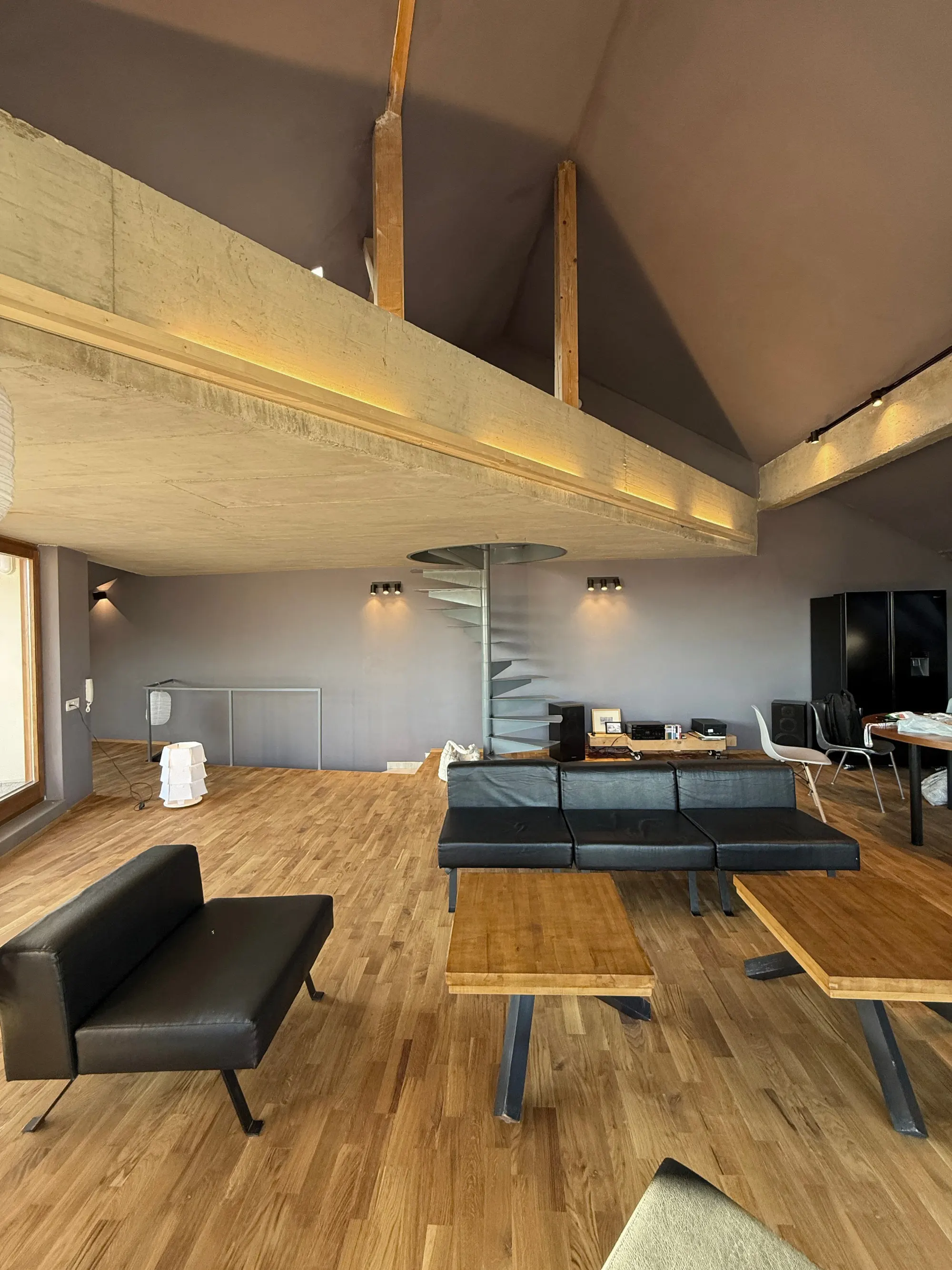
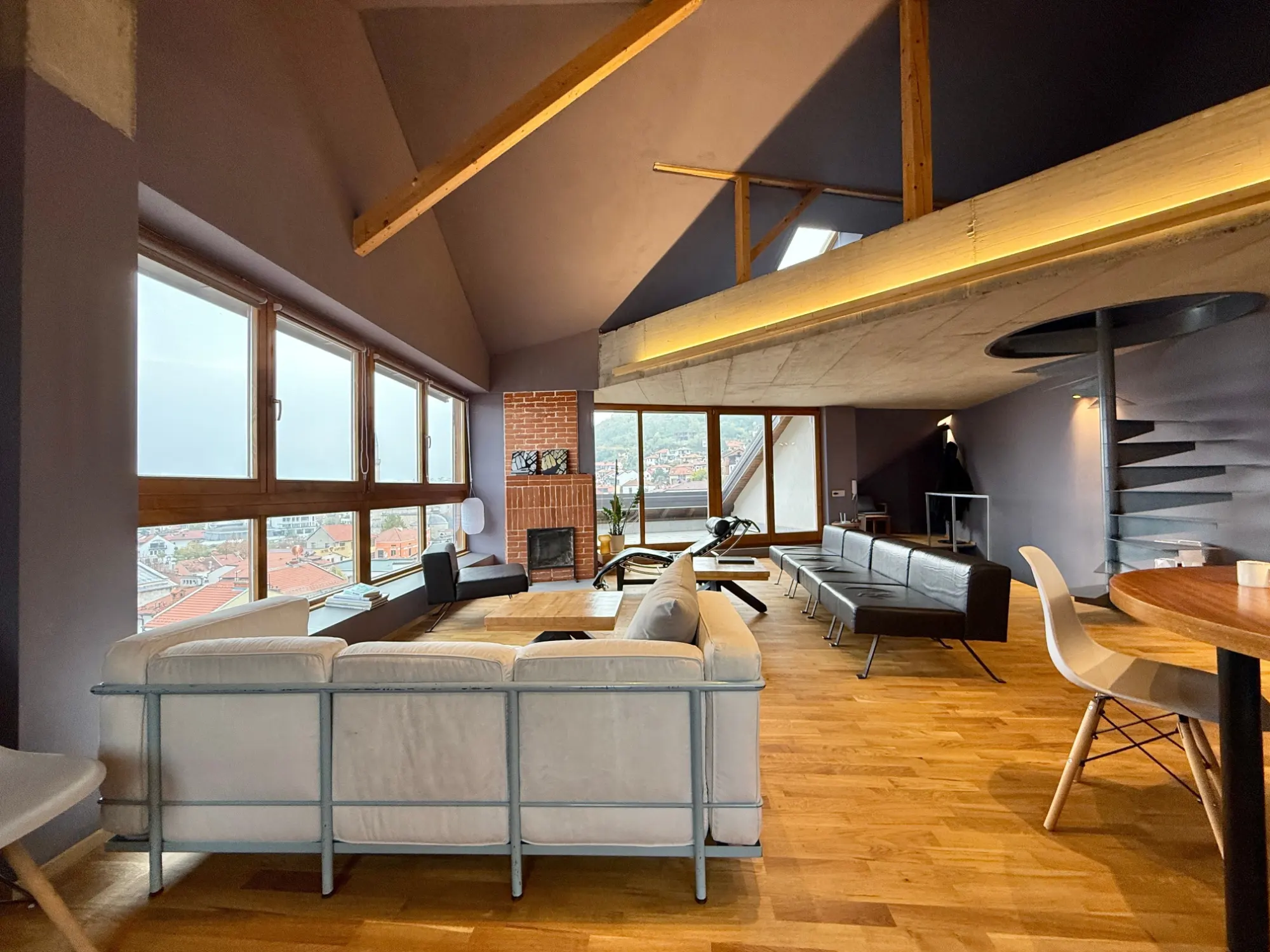
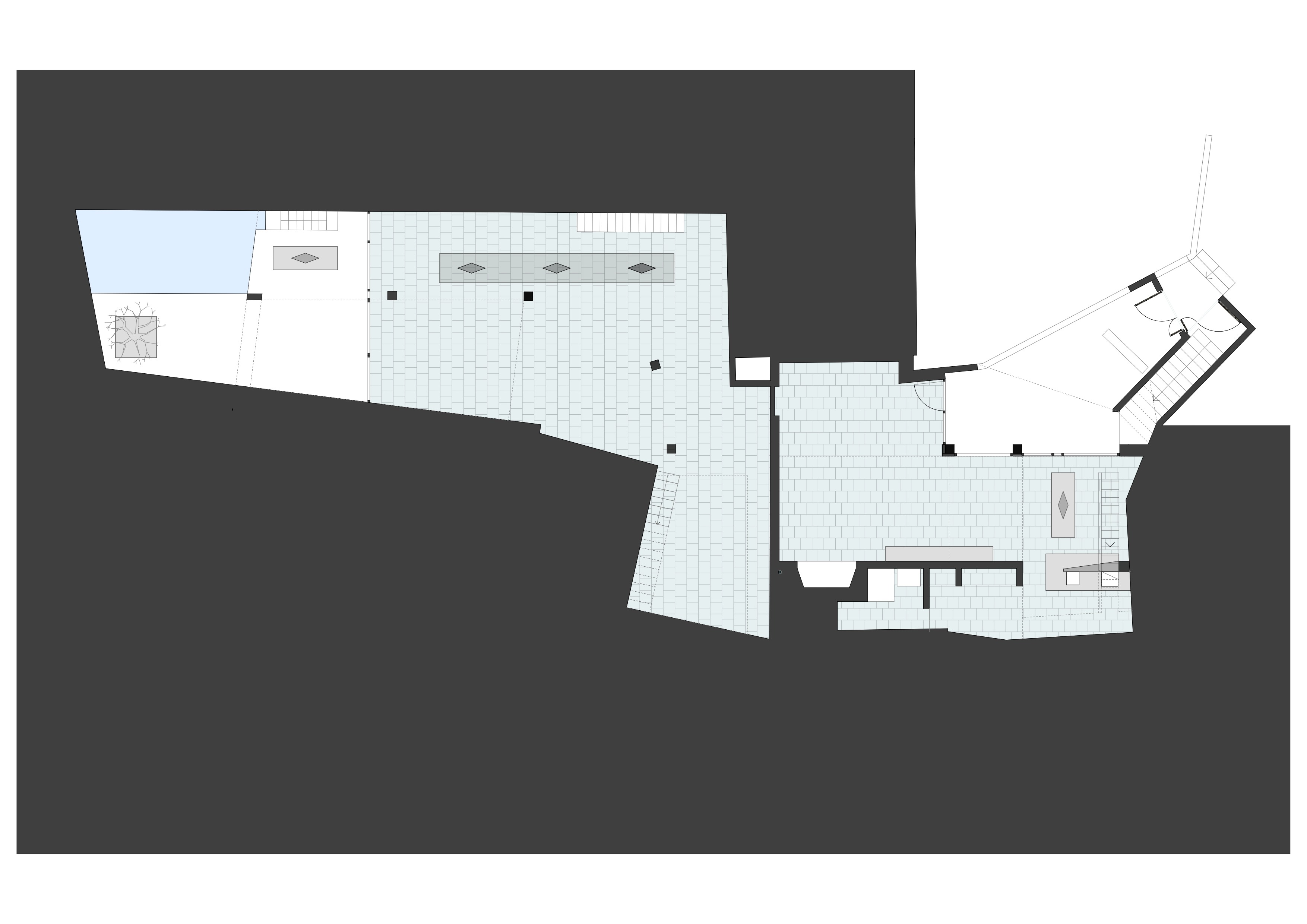
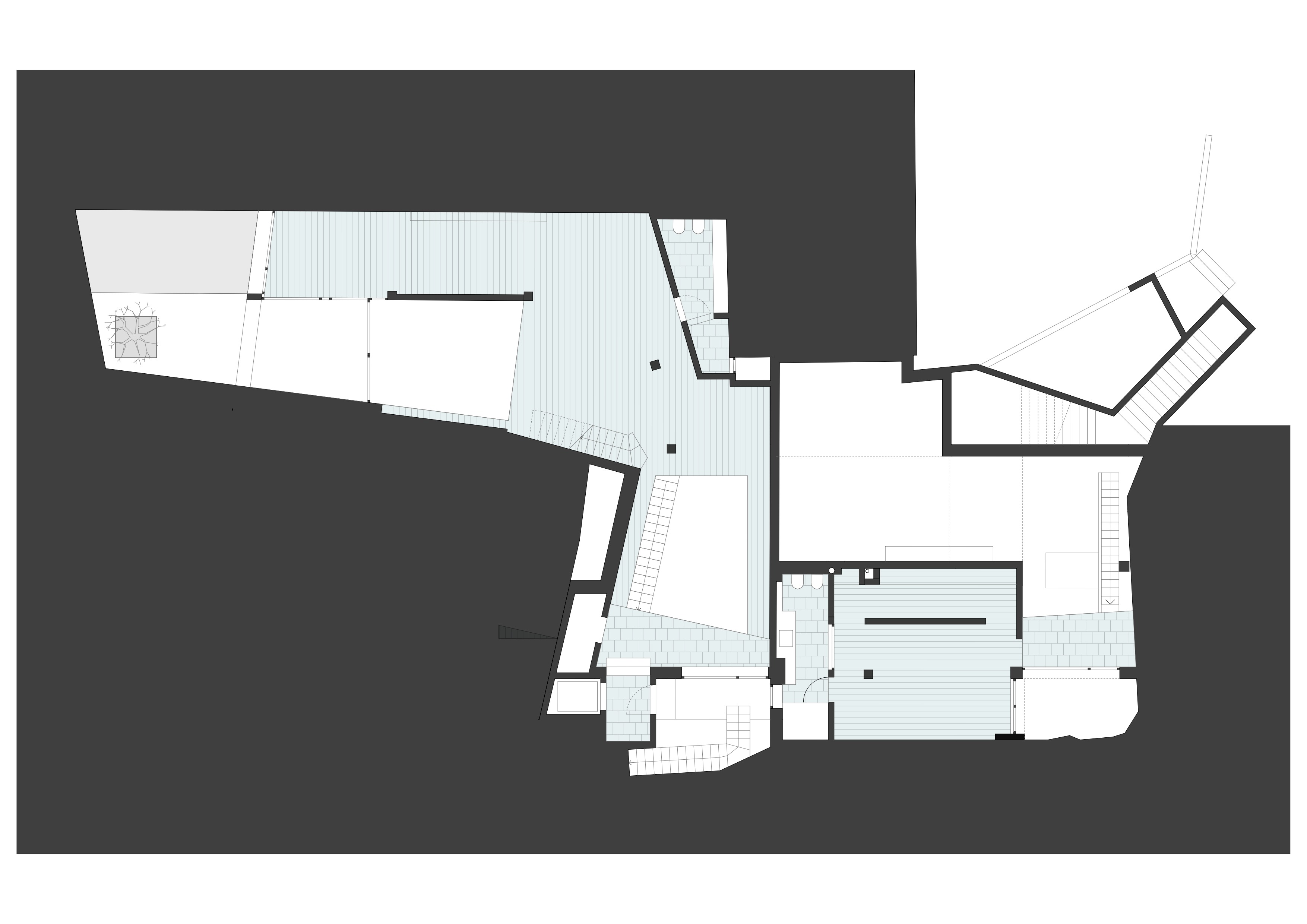
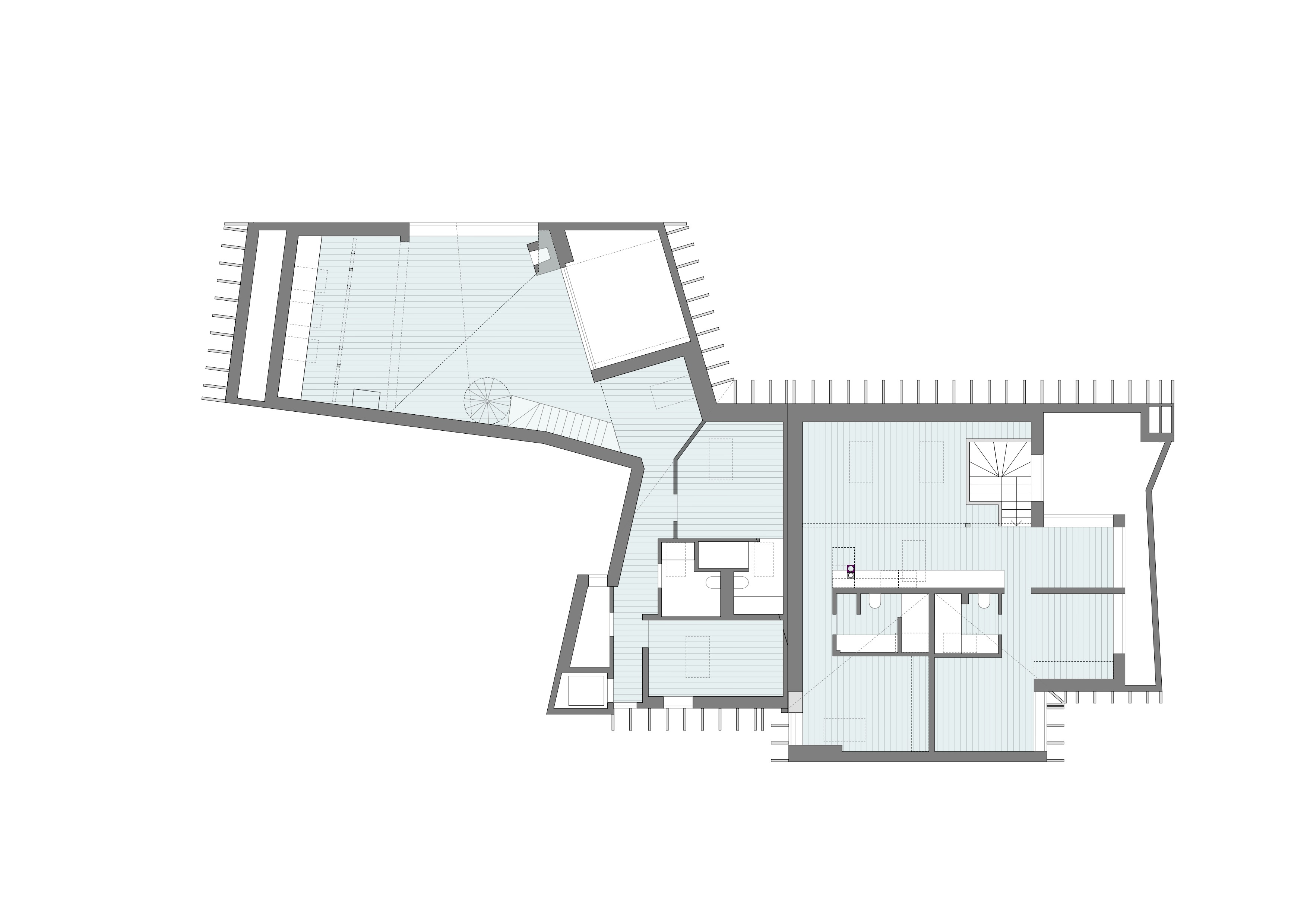
Prizren was historically one of the most significant urban centers in the Balkans, characterized by a layered architectural identity combining local traditions with Byzantine and Ottoman influences. This hybrid urban fabric remained largely intact until the mid-20th century. Over the last five decades, however, much of the historic residential architecture has been replaced by new developments, with the primary exceptions being religious buildings dating from the early 13th to the 19th centuries.The Bluemarine project consists of two mixed-use residential buildings organized into three distinct horizontal functional layers. Artist studios are located at the basement level, while the uppermost floors accommodate two penthouse apartments. Between these layers, a series of smaller residential units are arranged. The buildings are accessed from two streets situated on the northern and southern edges of the site, with a height difference of more than nine meters, allowing for multiple entry levels and spatial articulation.
Architecture
Designing contemporary architecture within a historical zone that has largely lost its original built fabric raises critical questions of contextual integration and architectural continuity. The immediate surroundings of the site include several churches and mosques of varying architectural languages, as well as a heterogeneous urban fabric composed of post-war residential buildings, small hotels, and street-level commercial spaces. Rather than referencing these elements formally, the project adopts a non-literal approach to contextual integration.The primary architectural reference is found in the now-demolished residential houses of the Nënkalaja area. These buildings often demonstrated sophisticated spatial responses to complex site conditions, particularly in terms of topography, orientation, daylight access, and the relationship between interior and exterior spaces. Each house constituted a specific architectural solution shaped by its immediate environmental constraints.Drawing from this logic, the Bluemarine buildings adopt a restrained, vernacular-inspired exterior expression, concealing an internally complex yet legible spatial organization. The project comprises thirteen residential units, each distinct in layout and spatial character. This diversity results in a labyrinthine internal configuration that remains coherent and navigable, reflecting the adaptability and spatial intelligence of Prizren’s historic residential architecture while addressing contemporary programmatic requirements.