MOTHER THERESA MUSEUM
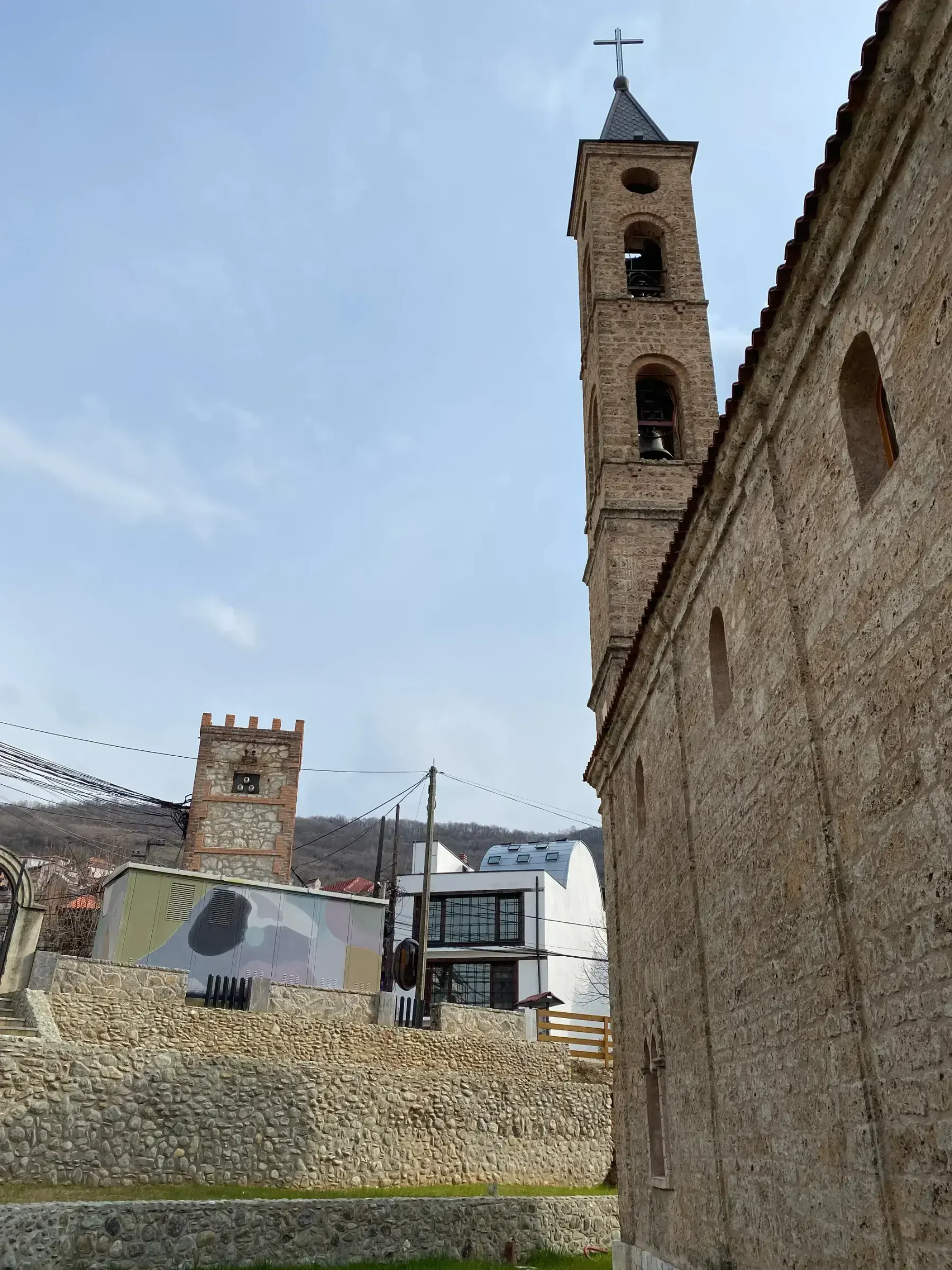
The Mother Teresa Museum originated from an architectural competition won in 2009. Following an initial partial construction phase in 2010, the building was completed in 2022 with only minor modifications to the original design proposal.The museum is located directly opposite the Catholic Cathedral of Prizren, a site of symbolic significance, as it is where Mother Teresa’s parents were married over a century ago. The project occupies a constrained urban plot of 112 m², with a street frontage of only 6 meters. Situated in the very heart of the historic center of Prizren, the building is surrounded by medieval mosques and churches, placing it within a highly sensitive architectural and cultural context.Prior to the 1999 war, the plot contained a small residential house that had itself replaced an earlier vernacular structure. During the war, the existing building was damaged and partially destroyed. Today, the site is flanked by a mediocre residential building from the 1980s on its eastern side, while the western side remains an empty plot, offering little opportunity for direct contextual integration. In this fragmented urban condition, the project adopts a fundamental architectural approach, drawing inspiration from the constructive logic of traditional vernacular buildings rather than from formal imitation.
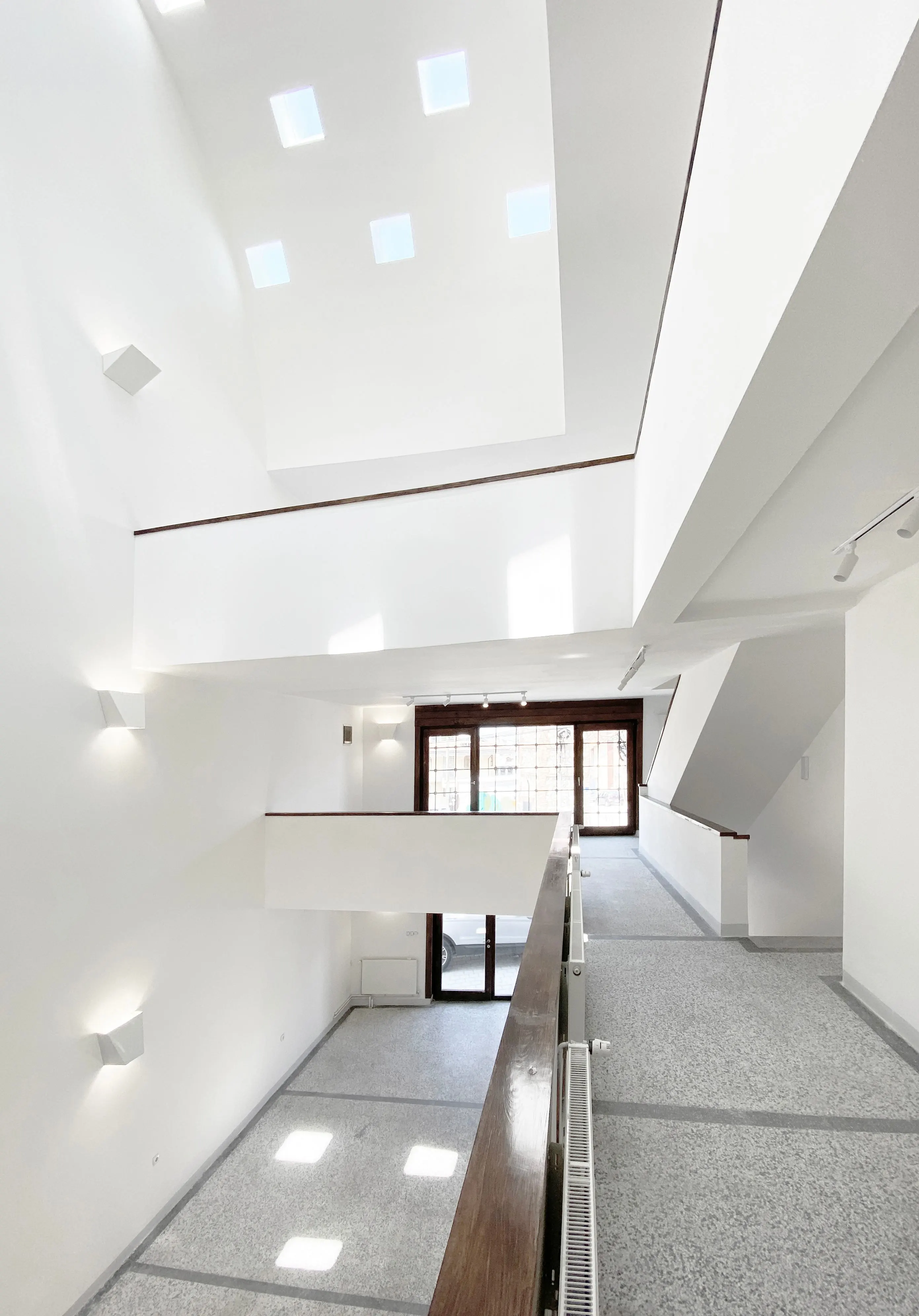
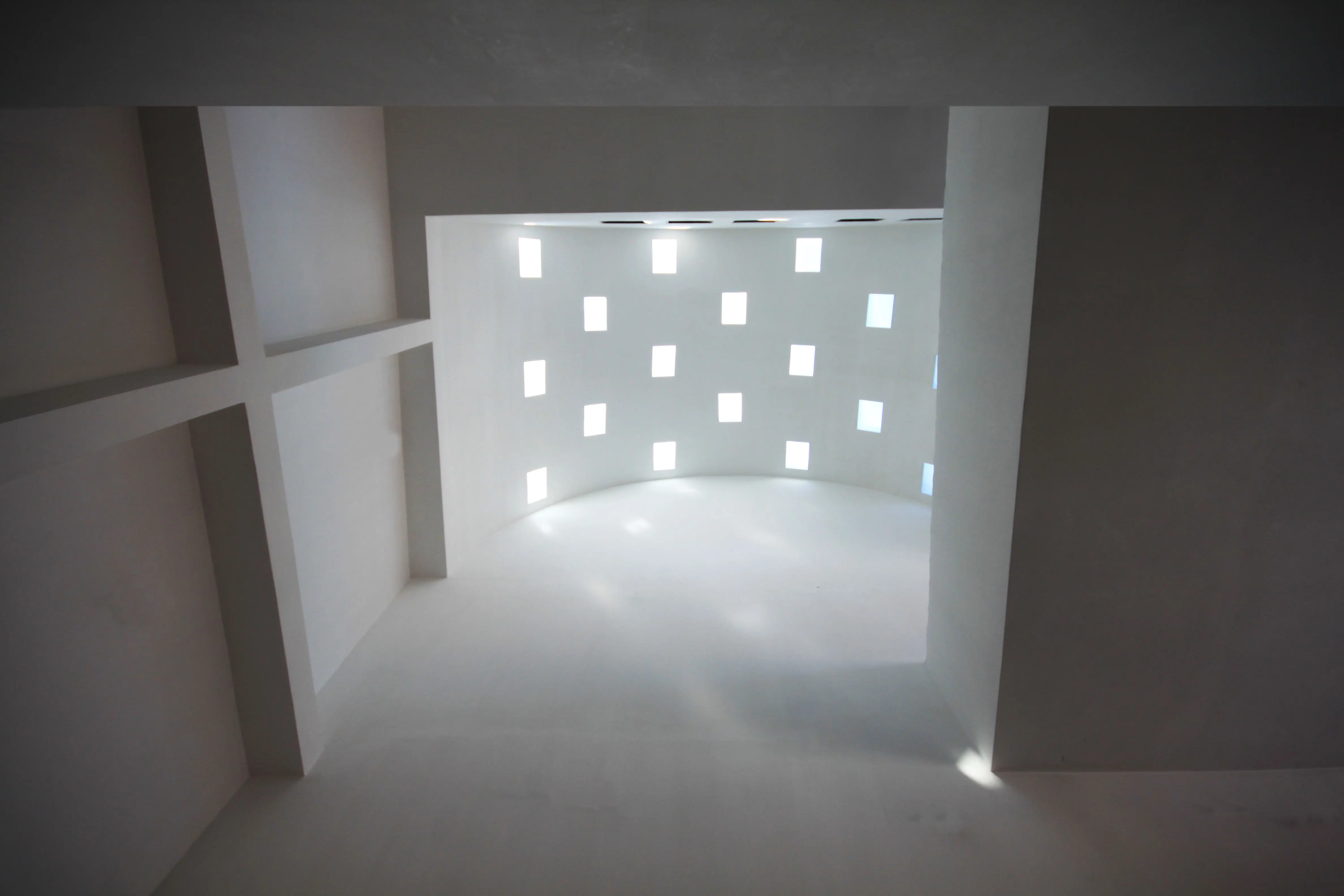
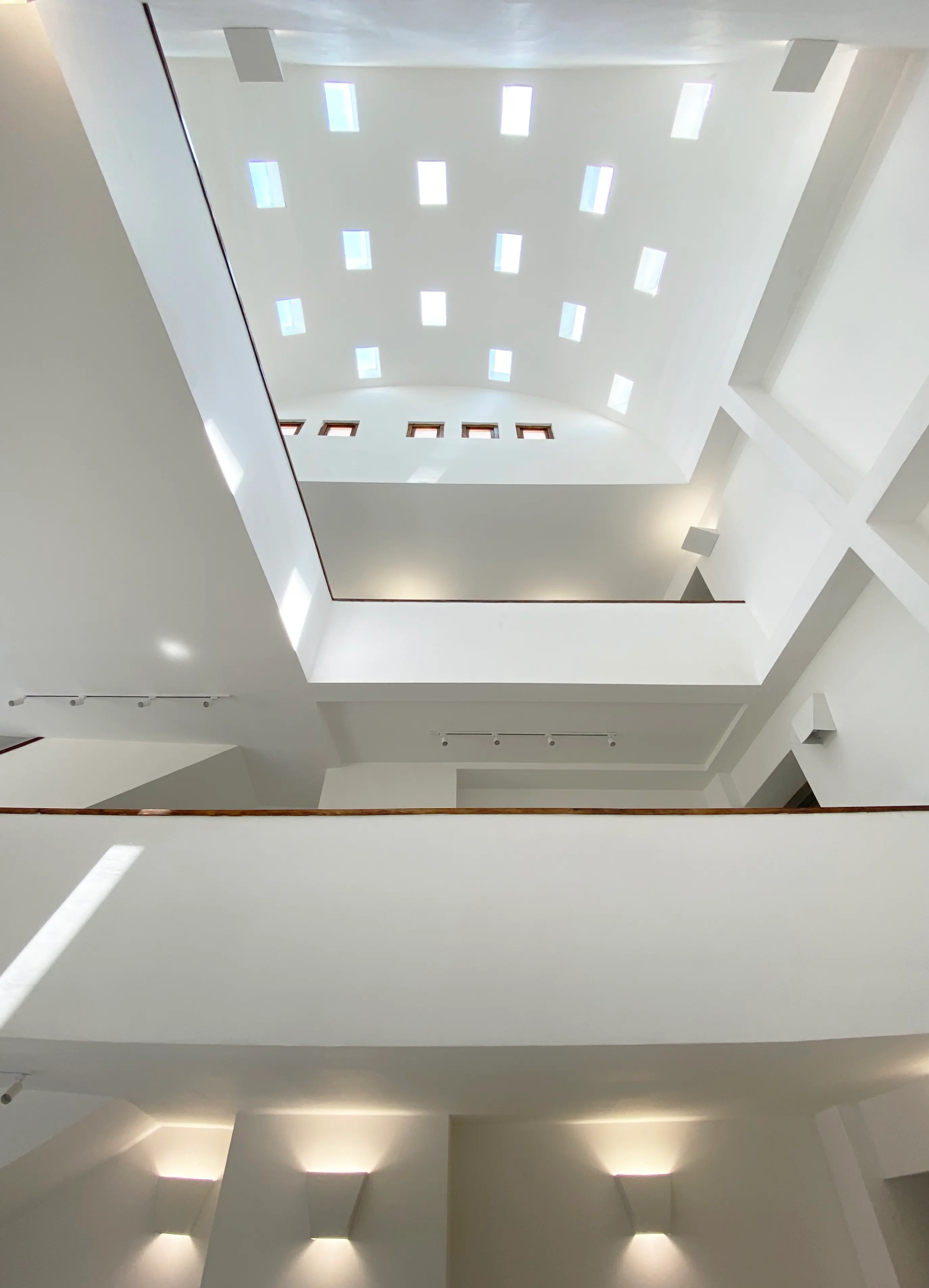
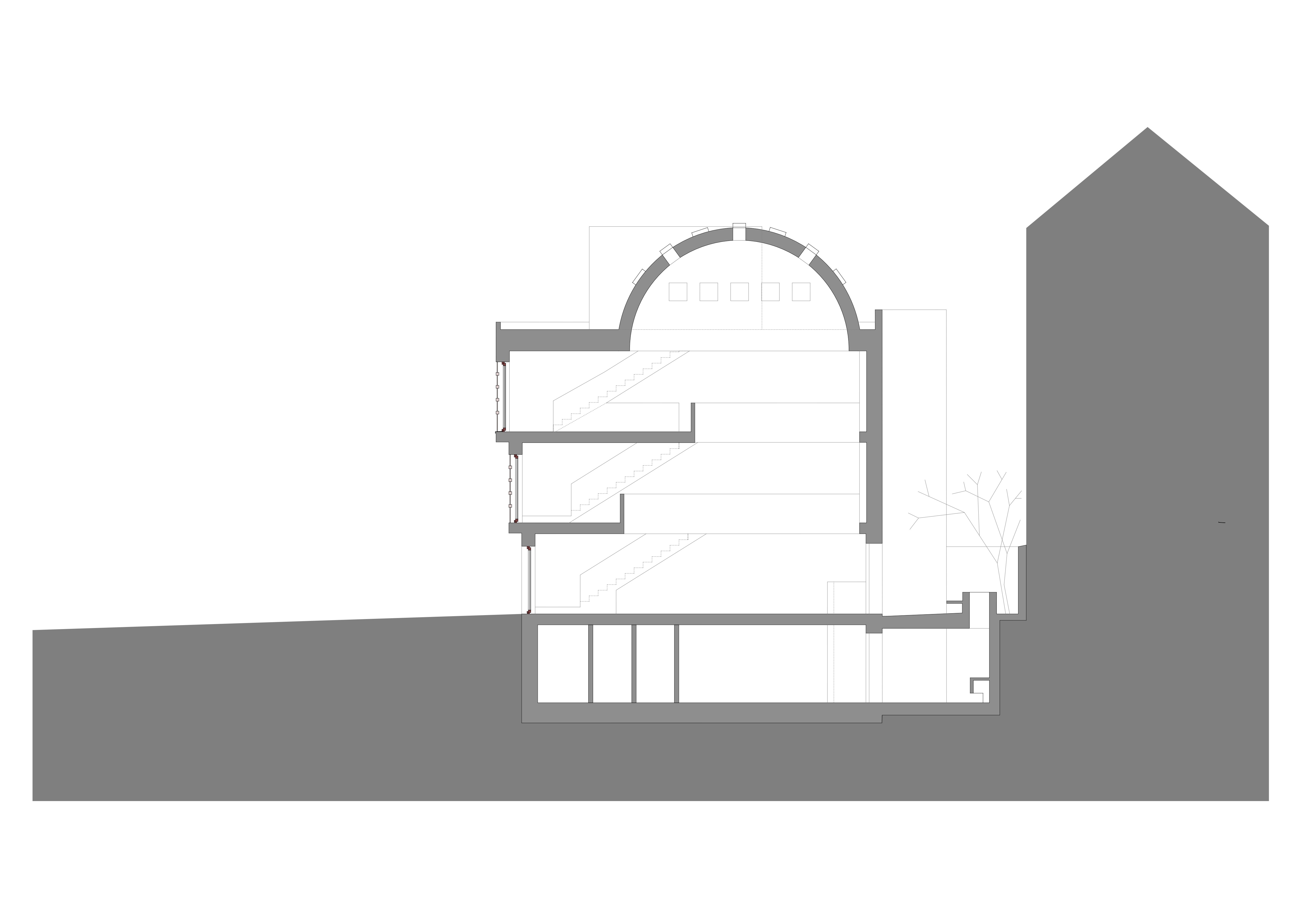
From the exterior, the museum maintains a restrained presence consistent with the scale and rhythm of the surrounding residential fabric. The building is composed of three superimposed volumes, each corresponding to a single floor and articulated by one opening per level. Each volume slightly cantilevers over the street by approximately 30 centimeters, establishing a subtle dialogue with the public realm while providing shelter to the entrance below.Internally, these stacked volumes define a single, continuous spatial experience. Regardless of the floor level, the visitor remains perceptually within the same vertical space. Through the vertical and horizontal displacement of the volumes and the careful orchestration of natural light, the interior acquires a spatial richness that exceeds the building’s physical dimensions.The museum was conceived without a fixed or prescriptive program. Instead, the design is organized around the idea of a singular, central space—an architectural expression of emptiness that allows for multiple interpretations and future uses. This conceptual openness grants the building long-term adaptability while reinforcing its role as a contemplative public institution.Behind the modest exterior, a tall and naturally illuminated interior volume unfolds, offering a clear contrast to the dense and noisy street outside. Although the building has no lateral windows on its three internal sides, daylight is introduced from above. The roof is covered by a semi-perforated barrel vault punctuated by thirty skylights, which diffuse light throughout the space and guide visual connections between levels. The first and second floors function as gallery platforms overlooking the central void, while the basement accommodates a projection room for conferences and the necessary technical spaces.The barrel vault serves as an architectural marker of the building’s public character. In the context of Prizren, arches and domes traditionally signify civic and religious architecture, in contrast to the pitched red-tiled roofs of residential buildings. Through this gesture, the museum asserts its public identity while remaining deeply rooted in local architectural language.